🍎 How To Welcome Students Back To School
I remember my very first year of teaching when I spent three weeks meticulously labeling every bin and laminating every poster.
When the first bell rang, I realized the students didn’t care about the labels; they just wanted to know if they were safe and if I would liked them.
This guide comes from over a decade of trial and error in the classroom to help you build that essential sense of belonging from minute one.

Quick Overview
This guide provides a comprehensive roadmap for creating a classroom culture that prioritizes connection over content during the first week of school.
- Time needed: 1-2 weeks of preparation and the first 3 days of school
- Difficulty: Intermediate
- What you’ll need: Welcome letters, classroom layout plan, icebreaker materials, and a positive mindset
Step-by-Step Instructions
Step 1: Curate a Calming Physical Environment
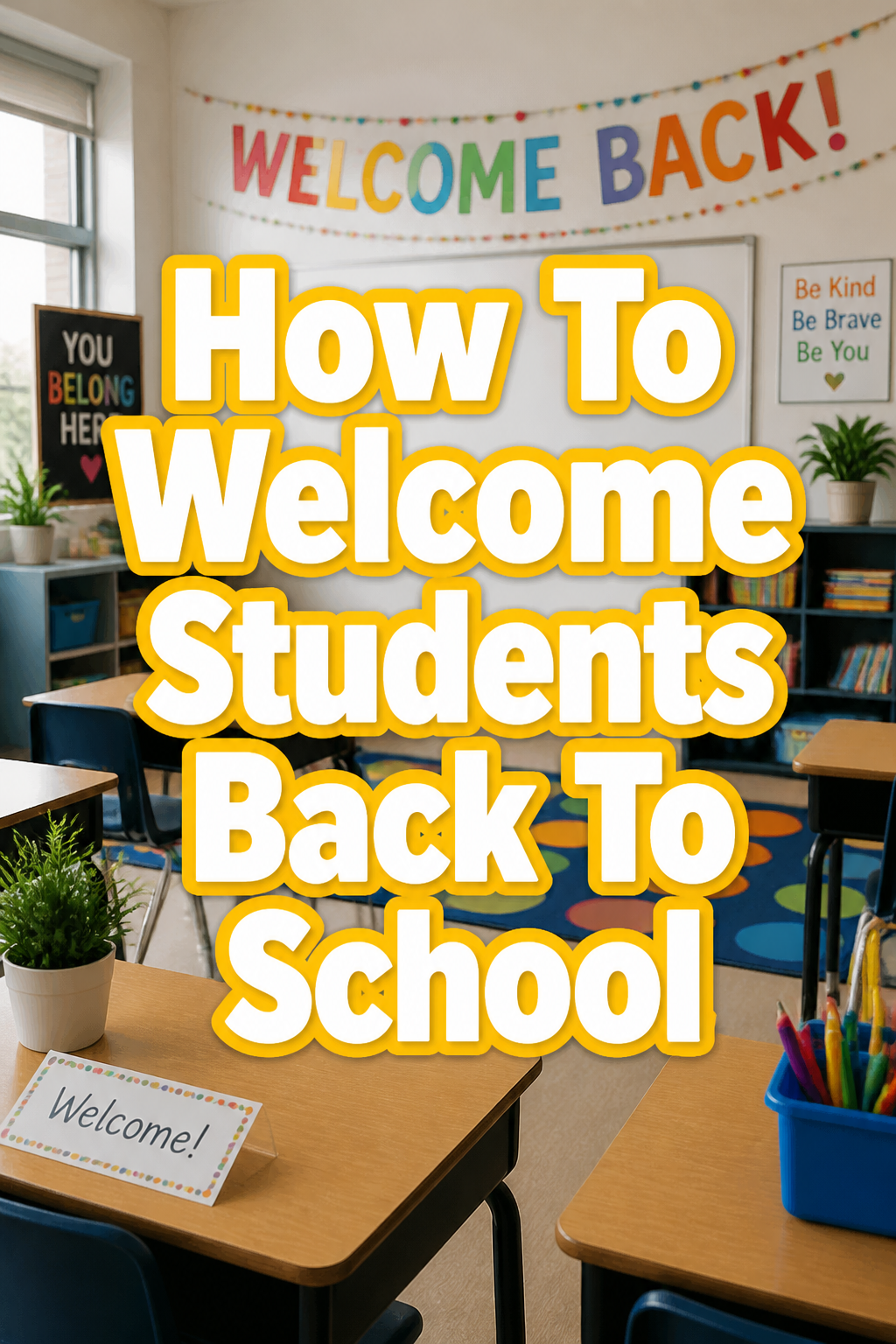
Design your classroom layout to facilitate both collaboration and individual focus.
Arrange desks in clusters to encourage peer interaction, but ensure there is a designated “quiet zone” for students who may feel overstimulated by the back-to-school buzz.
Minimize visual clutter by choosing a cohesive color palette and leaving some wall space blank.
Empty wall space sends a powerful message that the classroom belongs to the students too, and their work will soon fill those gaps.
Check the lighting in your room to avoid harsh overhead fluorescents if possible.
Using floor lamps or string lights can create a much softer, more inviting atmosphere that lowers student anxiety levels immediately upon entry.
Pro Tip: Sit in a student desk in various parts of the room to see the board and the teacher from their perspective.
Step 2: Send a Pre-Arrival Digital Welcome
Draft a warm, concise email or digital message to parents and students a few days before school starts.
Include a short video introduction where you share a fun fact about yourself, such as your favorite book or a hobby you enjoy.
Provide a “sneak peek” of the classroom through photos or a quick video tour.
Seeing the space before they walk in helps reduce the “fear of the unknown” that many students experience, especially those transitioning to a new building.
Outline only the most essential information, like where to go on the first morning and what one item they should bring.
Avoid sending a massive list of rules or a heavy syllabus at this stage, as it can overwhelm families during an already busy time.
Step 3: Master the Threshold Greeting
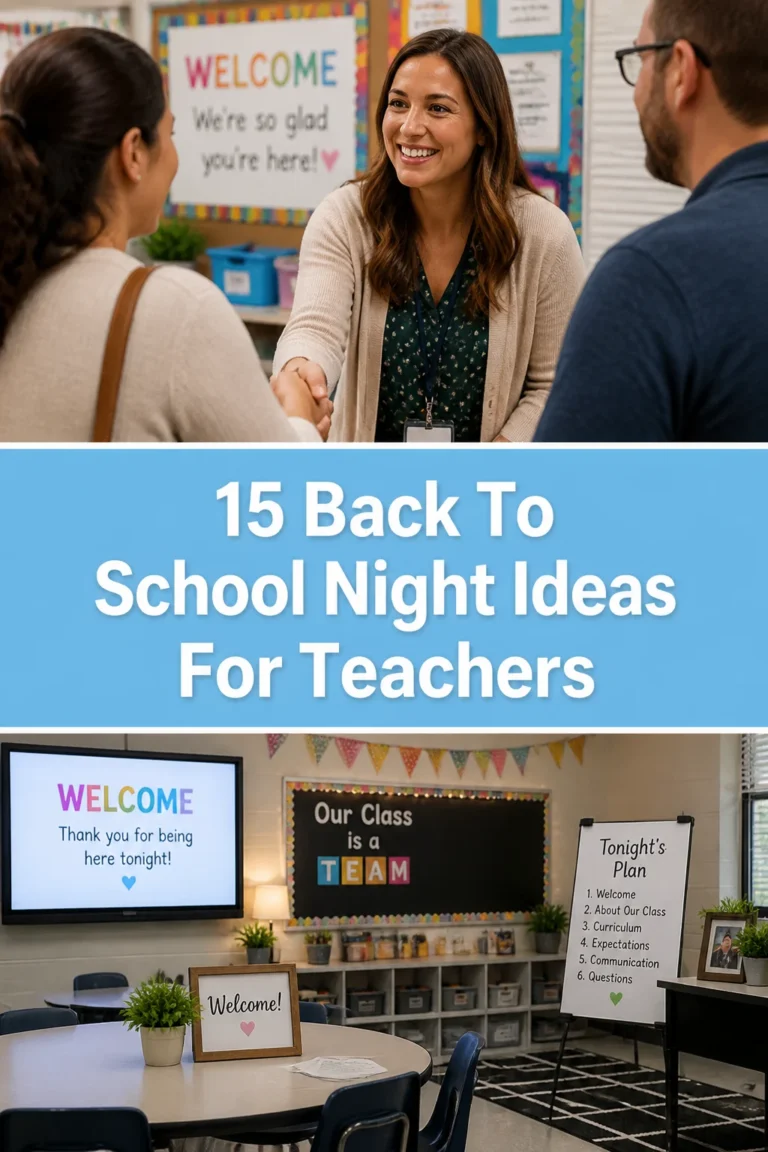
Position yourself at the classroom door every single morning as students arrive.
This is the most important real estate in your school because it allows you to check the “emotional temperature” of every student before they sit down.
Use a variety of greeting options to respect different comfort levels.
Some students might want a high-five or a fist bump, while others may prefer a simple “Good morning” and a nod.
Learn and use their names immediately, making a conscious effort to pronounce them correctly.
Correct pronunciation is a fundamental sign of respect and tells the student that their identity is valued in your space.
Pro Tip: Keep a small clipboard or digital tablet nearby to jot down quick notes about student interests you overhear during these greetings.
Step 4: Facilitate Authentic Low-Stakes Connections
Implement icebreakers that do not put students on the spot or force them to share deeply personal information.
Try “This or That” games where students move to different sides of the room based on preferences like “Pizza vs. Tacos” or “Summer vs. Winter.”
Create a “Classroom Scavenger Hunt” that requires students to find peers who meet certain criteria, like someone who has a pet or someone who likes the same music.
This encourages movement and natural conversation without the pressure of a formal presentation in front of the whole class.
Model vulnerability by participating in these activities yourself.
When students see you laughing at your own mistakes or sharing your own preferences, they feel more comfortable being their authentic selves.
Step 5: Establish Compassionate Routines
Introduce classroom procedures through active practice rather than a long list of “don’ts.”
Instead of reading a handbook, have students act out the “correct” and “silly” ways to sharpen a pencil or hand in papers.
Explain the “why” behind every routine you establish.
Students are much more likely to follow a procedure when they understand how it helps the classroom run smoothly and protects their learning time.
Focus on the “First Five” and “Last Five” minutes of class initially.
Building a predictable start and end to the day provides a sense of security that helps students regulate their emotions and focus on academics.
Pro Tip: Use visual cues and posters to remind students of routines so you don’t have to repeat yourself constantly.
Step 6: Personalize the Learning Space
Invite students to help decorate the room during the first week.
Give them each a card to decorate with their name and one thing they are excited to learn, then hang these prominently on a “Our Community” board.
Allow students to have a say in some classroom decisions, such as the names of small groups or the background music played during independent work.
Giving students a sense of agency fosters a feeling of ownership over their environment and their education.
Ensure every student can see themselves reflected in the classroom materials.
Check that your classroom library and posters represent diverse backgrounds, experiences, and perspectives to make every child feel they belong.
Step 7: Conduct a “Getting to Know You” Survey
Distribute a private survey to gather information that students might not want to share out loud.
Ask about their preferred names, their strengths, what they struggle with, and what they want you to know about them as a learner.
Include a section for parents or guardians to share their insights as well.
Parents are the experts on their children, and asking for their input builds a strong partnership from the very beginning of the year.
Review these surveys quickly and use the information to tailor your first few weeks of instruction.
If you notice several students mention a love for a specific game or topic, find a way to weave that into a lesson to show you are listening.
Common Mistakes to Avoid
Jumping Into Heavy Content Too Early
It is tempting to start the first unit on day one to stay on schedule, but this often backfires. Without a foundation of trust and routine, academic progress will eventually stall because students don’t feel comfortable taking risks. Spend the first few days prioritizing culture, and you will make up the academic time later in the year through increased engagement.
Over-Decorating the Walls
A classroom that is “Pinterest-perfect” on day one can actually be overwhelming for many students. It leaves no room for their own contributions and can feel like a museum rather than a workspace. Start with a clean, organized base and let the room grow and change as the students produce work and develop their own community identity.
Focusing Only on Compliance
If your first interactions with students are purely about following rules, you set a tone of control rather than collaboration. While boundaries are necessary, they should be framed as ways to keep everyone safe and successful. Focus on building relationships first, and you will find that compliance follows naturally because students want to respect the community you’ve built.
Troubleshooting
The Student Who Is Visibly Anxious or Crying
Back-to-school nerves can be intense, especially for younger children or those who have had negative school experiences. Give these students a specific “job” to do, like organizing a shelf or passing out papers, to redirect their focus. This gives them a sense of purpose and a way to interact with the environment without the pressure of social conversation.
Technology Fails During Your Presentation
First-day tech glitches are almost a rite of passage for teachers. Always have a “low-tech” backup plan, such as a physical game or a read-aloud book, ready to go at a moment’s notice. Staying calm and laughing off the technical issue models resilience and flexibility for your students, which is a valuable lesson in itself.
The Disengaged or “Too Cool” Student
Some students, particularly in middle or high school, may resist icebreakers or community-building activities. Don’t take this personally or try to force participation through grades or public call-outs. Offer them a choice in how they participate, or simply give them space while continuing to greet them warmly and consistently every day.
Key Takeaways
- Prioritize the “threshold greeting” to connect with every student individually every day.
- Create a classroom environment that is calm, organized, and has space for student work.
- Use low-stakes icebreakers to build peer connections without causing social anxiety.
- Establish routines through practice and explanation rather than lectures on rules.
- Solicit private feedback from students and parents to understand their unique needs.
- Focus on building a community of belonging before diving into rigorous academic content.
Frequently Asked Questions
How much of the first day should be spent on rules?
Keep the discussion of rules to a minimum on the first day. Focus instead on one or two essential routines, like how to enter the room and where to sit. You can introduce more specific procedures gradually over the first two weeks as they become relevant to the daily workflow.
What if I don’t have my permanent roster yet?
This is a common challenge in many schools. Focus on activities that work for any group size and don’t require pre-printed materials with names. Use temporary name tags or desk tents so you can easily adapt if students are added or moved to different sections during the first week.
How do I handle students who join the class late in the week?
Assign a “Class Ambassador” or a “Welcome Buddy” to help new arrivals learn the routines. Have a “Welcome Folder” ready with the basic information they missed and a personalized note from you. This ensures they feel included immediately rather than like an outsider joining a group that has already bonded.
How can I make the welcome inclusive for students with special needs?
Provide visual schedules and clear, step-by-step instructions for all activities. Check in with special education staff beforehand to understand specific triggers or accommodations. Offering “choice boards” for icebreakers allows students to participate in ways that match their sensory and social comfort levels.
Our Top Recommended Finds
- Wireless Doorbell: This is a fantastic, non-verbal way to get student attention without raising your voice. You can change the chime to keep it interesting and use it as a signal for transitions.
- Tabletop Tents or Name Tags: High-quality, reusable name tents help you and other students learn names quickly. They can also be used for students to write their “preferred” name and pronouns.
- Fidget Tools or Calming Corner Kits: Having a small basket of sensory items can help students who are feeling anxious or overwhelmed during the transition back to school.
Set The Tone For A Successful Year
The energy you put into these first few days will pay dividends for the rest of the school year. By focusing on the human element of education, you create a space where students feel seen, heard, and valued. This sense of psychological safety is the absolute prerequisite for any deep learning to occur.
Think about one small change you can make to your physical space or your first-day greeting to make it more welcoming. You might also consider looking into “Restorative Circles” or “Morning Meetings” to sustain this community feel throughout the term. Start today by drafting that welcome email and getting your students excited for the journey ahead.