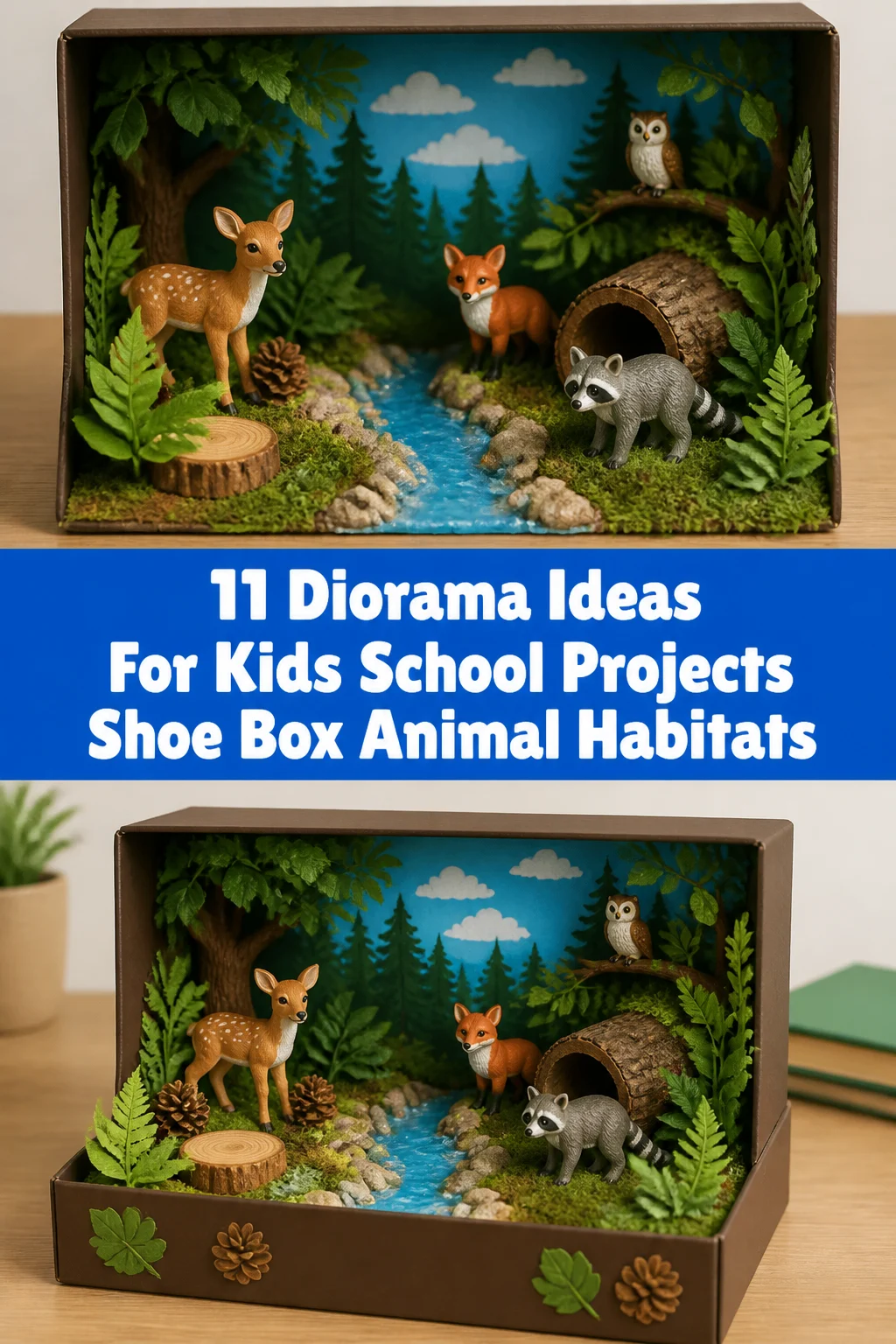
🦔 11 Diorama Ideas For Kids School Projects Shoe Box Animal Habitats
Okay, deep breaths. That school project deadline is looming, and your kid just dropped the “diorama” bomb.
You’re staring at an empty shoe box, wondering how to turn it into a majestic animal habitat without losing your sanity (or your crafting budget). Been there, done that, got the glitter-covered t-shirt.
Don’t sweat it. We’ve got 11 super cool, surprisingly simple diorama ideas that will make both you and your little naturalist look like total pros.

1. Arctic Tundra Wonderland
- Best For: Preschool to 3rd Grade, Winter projects
- Vibe: Icy, crisp, surprisingly cute
- Why it works: Simple color palette and readily available materials make this a breeze.
Grab some cotton balls for snow and a few sparkly pipe cleaners for ice formations. You can use a mirror shard or aluminum foil for a frozen lake. Think tiny polar bears, arctic foxes, and maybe a seal or two made from polymer clay or cut from felt.
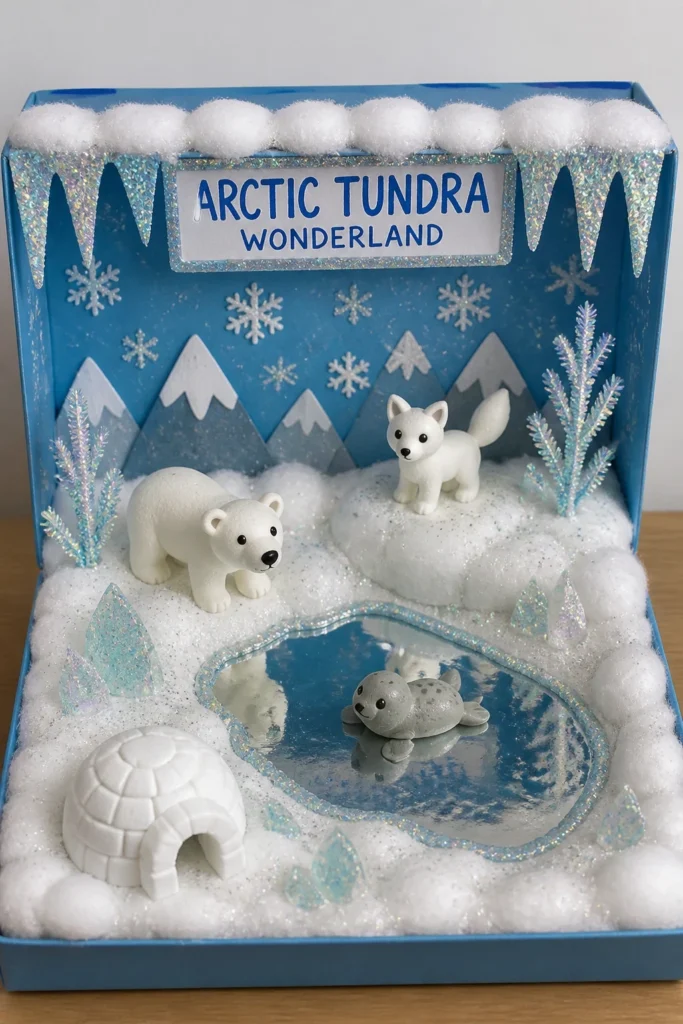
Pro Tip: A little bit of iridescent glitter glue makes the snow truly sparkle, just don’t go overboard unless you want a disco tundra.
2. Deep Sea Coral Reef
- Best For: 2nd to 5th Grade, Marine Biology themes
- Vibe: Vibrant, mysterious, underwater party
- Why it works: Endless possibilities for colorful sea creatures and plant life.
Paint the inside of the box deep blues and greens. Use scrunched-up tissue paper in bright colors for coral, and pipe cleaners or cut-up sponges for anemones. Little fish made from construction paper or googly-eyed pebbles really bring this to life.
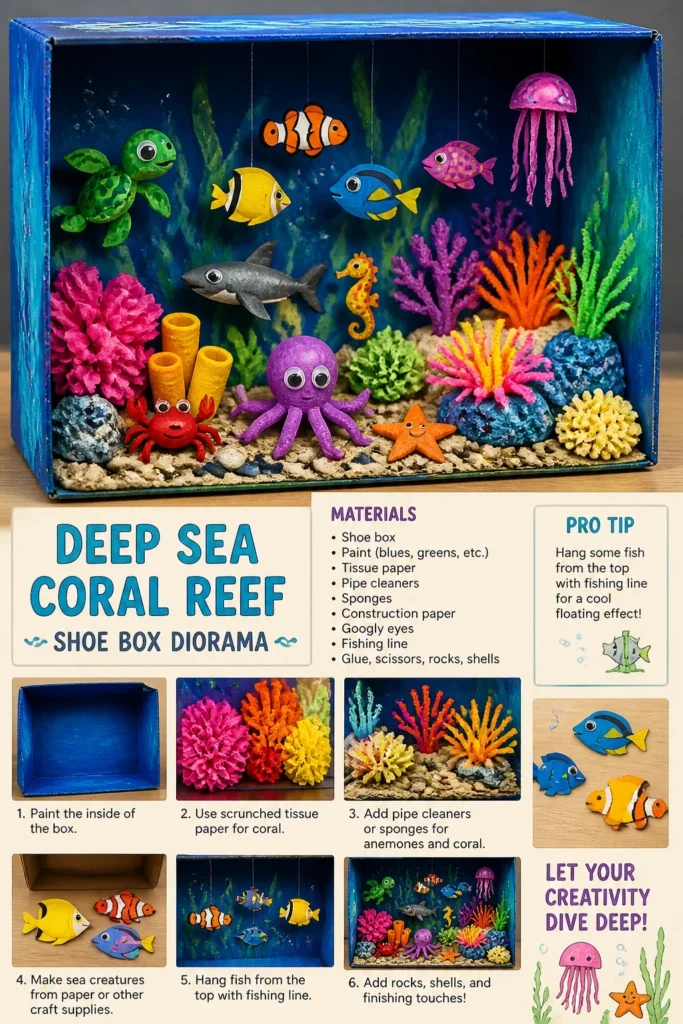
Pro Tip: Hang some fish from the top of the box with fishing line for a cool floating effect. It adds a surprising amount of depth.
3. Lush Rainforest Canopy
- Best For: All elementary grades, Biodiversity lessons
- Vibe: Dense, humid, full of hidden surprises
- Why it works: Layers of green materials create an immediate sense of depth and realism.
Layer different shades of green construction paper and felt for the canopy and undergrowth. Add some brown pipe cleaners as vines. Think monkeys swinging (use string!), colorful parrots (feathers are a must), and maybe a jaguar lurking in the shadows.
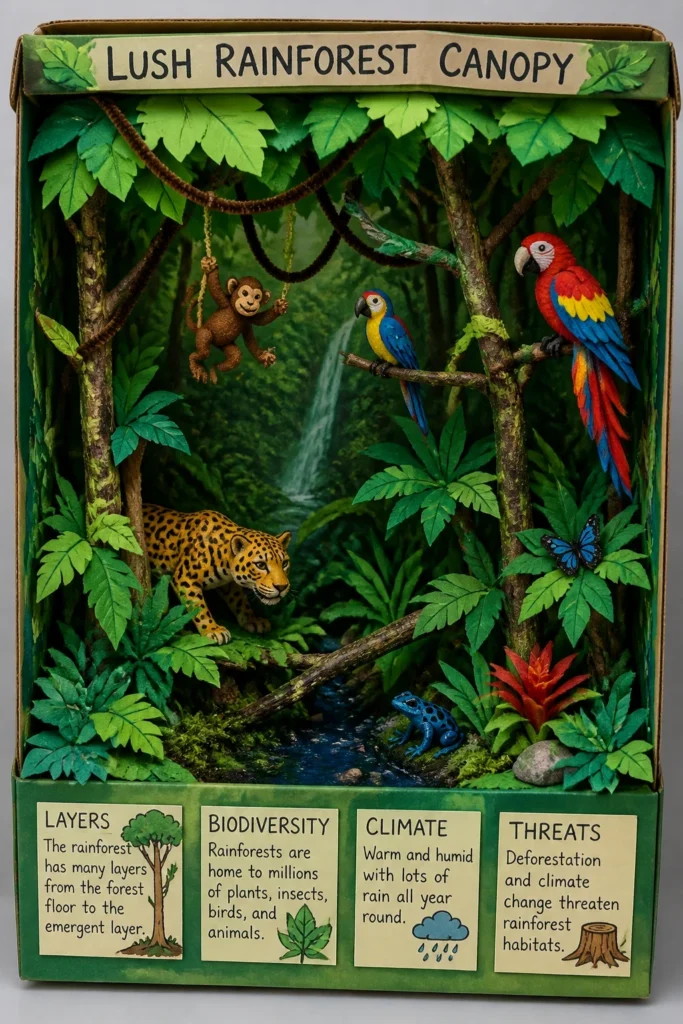
Pro Tip: Use small twigs from the yard for tree trunks and branches. They add a natural, textured element that craft sticks just can’t replicate.
4. Arid Desert Oasis
- Best For: Kindergarten to 4th Grade, Geography projects
- Vibe: Sandy, sparse, surprisingly resilient
- Why it works: Minimalistic design highlights specific desert adaptations.
Paint the box sandy yellow or light brown. Use actual sand (if you dare!) or fine brown sugar glued down for texture. Craft cacti from green construction paper or painted toilet paper rolls. Lizards, snakes (pipe cleaners!), and scorpions are your go-to critters here.
Pro Tip: A small mirror or blue construction paper at the back of the box creates a convincing “oasis” water source. Reflection is your friend.
5. Grassy Savanna Plains
- Best For: 1st to 5th Grade, African animal studies
- Vibe: Open, wild, majestic
- Why it works: Provides a great backdrop for showcasing large mammals.
Green and yellow construction paper or felt make excellent tall grasses. Use small pebbles for rocks and maybe a tiny branch for a lone acacia tree. Lions, zebras, giraffes, and elephants (plastic toys work great!) will feel right at home on these vast plains.
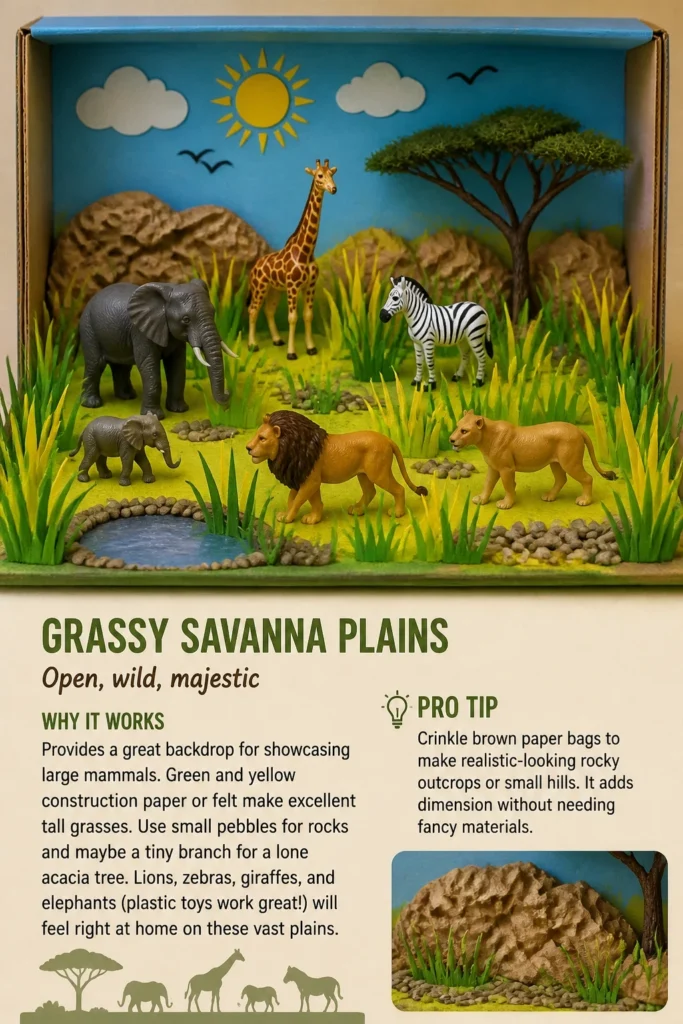
Pro Tip: Crinkle brown paper bags to make realistic-looking rocky outcrops or small hills. It adds dimension without needing fancy materials.
6. Busy Forest Floor
- Best For: Preschool to 2nd Grade, Local wildlife focus
- Vibe: Cozy, earthy, teeming with tiny life
- Why it works: Easy to collect natural materials for an authentic look.
Gather some dried leaves, small twigs, and maybe a bit of moss from your yard (check for bugs first!). Paint the box brown and green. Think squirrels, rabbits, owls (perched on a twig!), and maybe a tiny mushroom patch made from clay or bottle caps.
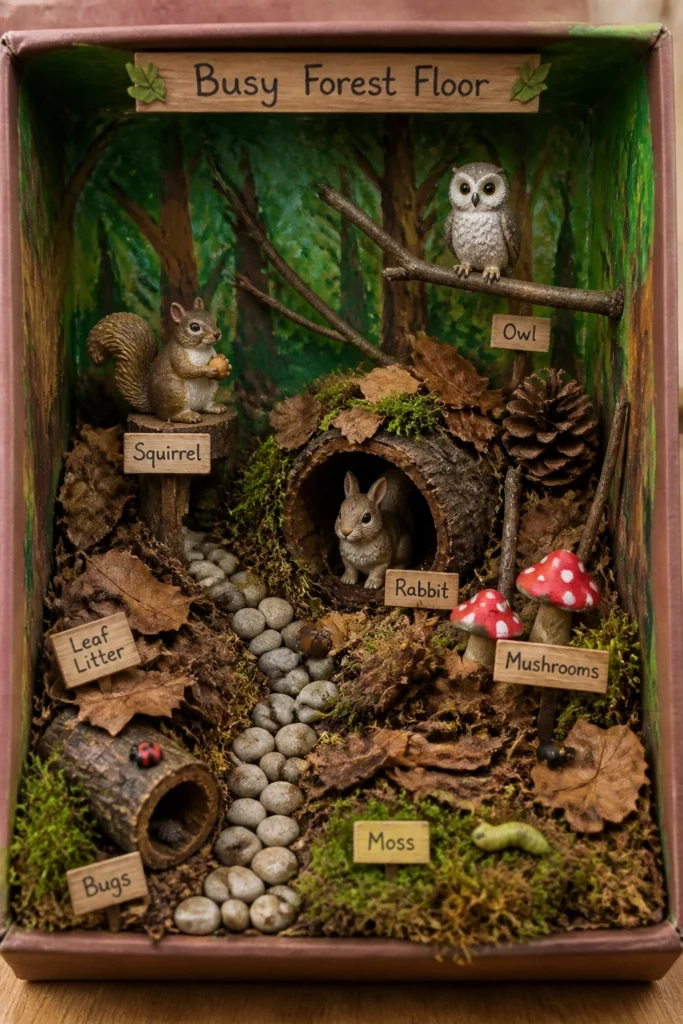
Pro Tip: A few strategically placed pebbles or small stones can create a natural pathway or a cozy nook for an animal to hide. Texture is everything.
7. Wetlands Swamp Scene
- Best For: 3rd to 6th Grade, Ecosystem studies
- Vibe: Murky, mysterious, full of life
- Why it works: Offers a unique habitat with distinct plant and animal life.
Paint the bottom of the box with murky greens and browns, adding some blue for water. Use green pipe cleaners or strips of construction paper for reeds and cattails. Alligators, frogs (green pom-poms with googly eyes!), and maybe a heron made from paper are perfect for this habitat.
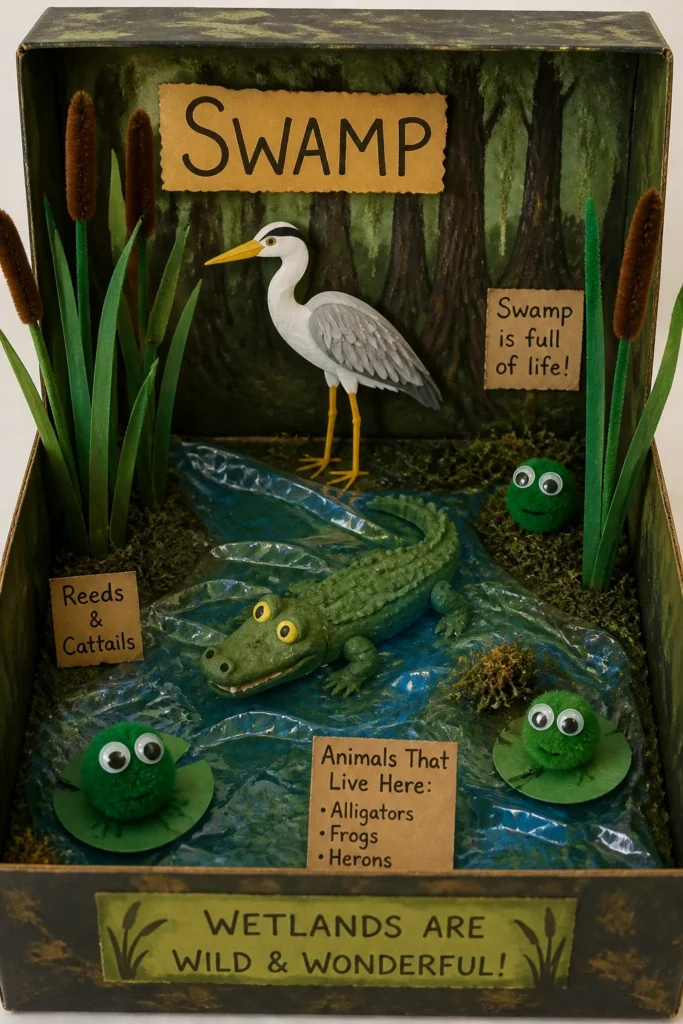
Pro Tip: Clear plastic wrap or cellophane over blue paper can simulate the shimmering surface of the water, making it look extra swampy.
8. Mountainous Alpine Region
- Best For: 4th to 6th Grade, Geology and high-altitude animals
- Vibe: Rugged, cold, breathtaking views
- Why it works: Allows for dramatic vertical elements and interesting animal adaptations.
Crumple up newspaper, then cover it with plaster of Paris or paper mache to create jagged mountain peaks. Paint them gray, white, and a touch of brown. Think mountain goats, eagles (hanging from the top!), and perhaps a brown bear. Don’t forget some cotton ball snow caps.
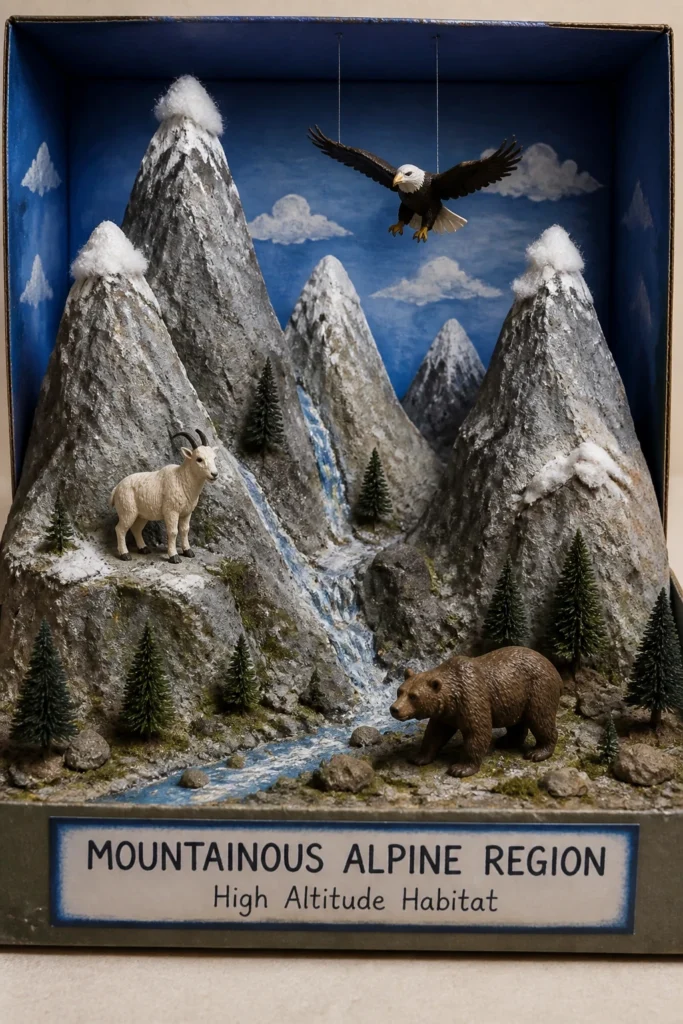
Pro Tip: Use varying heights for your mountain peaks to create a more dynamic and realistic landscape. Depth perception is key here.
9. Underground Burrow System
- Best For: 1st to 4th Grade, Nocturnal animals and hidden habitats
- Vibe: Secret, cozy, intricate
- Why it works: Shows animals in their natural, hidden homes.
Cut “tunnels” into the sides of the shoe box, revealing different chambers. Paint the inside brown and earthy tones. Think moles, rabbits, or even ants in their intricate homes. Use cut-out paper or felt for the animals and bits of yarn for roots.
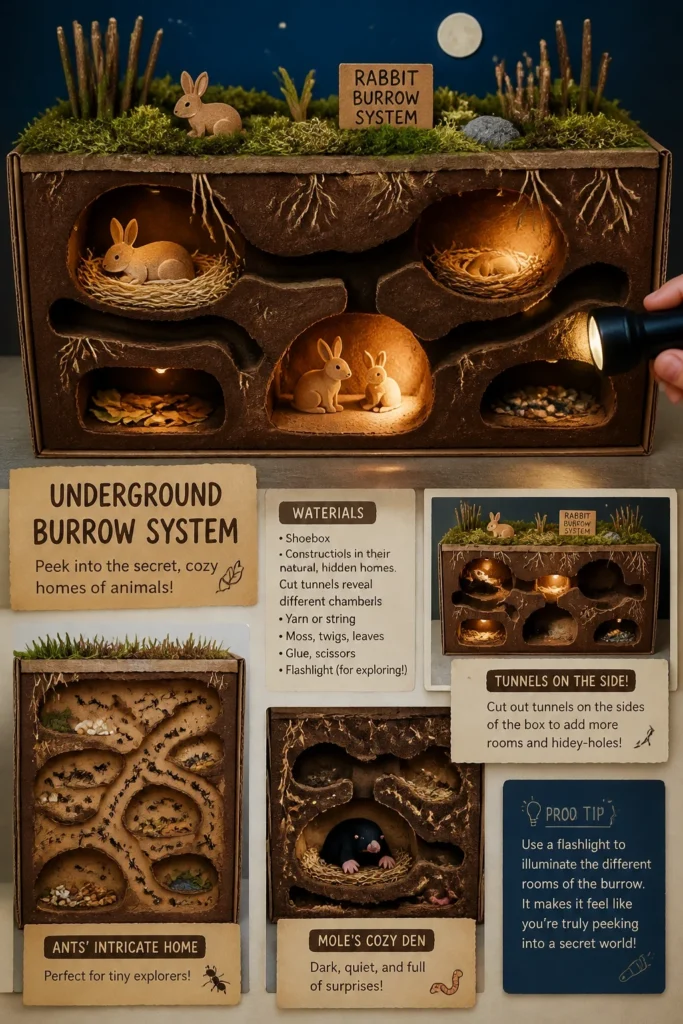
Pro Tip: Use a flashlight to illuminate the different “rooms” of the burrow. It makes it feel like you’re truly peeking into a secret world.
10. Farm Animal Sanctuary
- Best For: Younger kids, learning about domestic animals
- Vibe: Wholesome, rustic, bustling
- Why it works: Familiar animals and easy-to-create structures.
Paint the box a mix of green for grass and brown for dirt. Use craft sticks to build a tiny fence or a barn door. Add some hay (shredded yellow paper!) and little farm animals like cows, pigs, chickens, and sheep (cotton balls are perfect!).
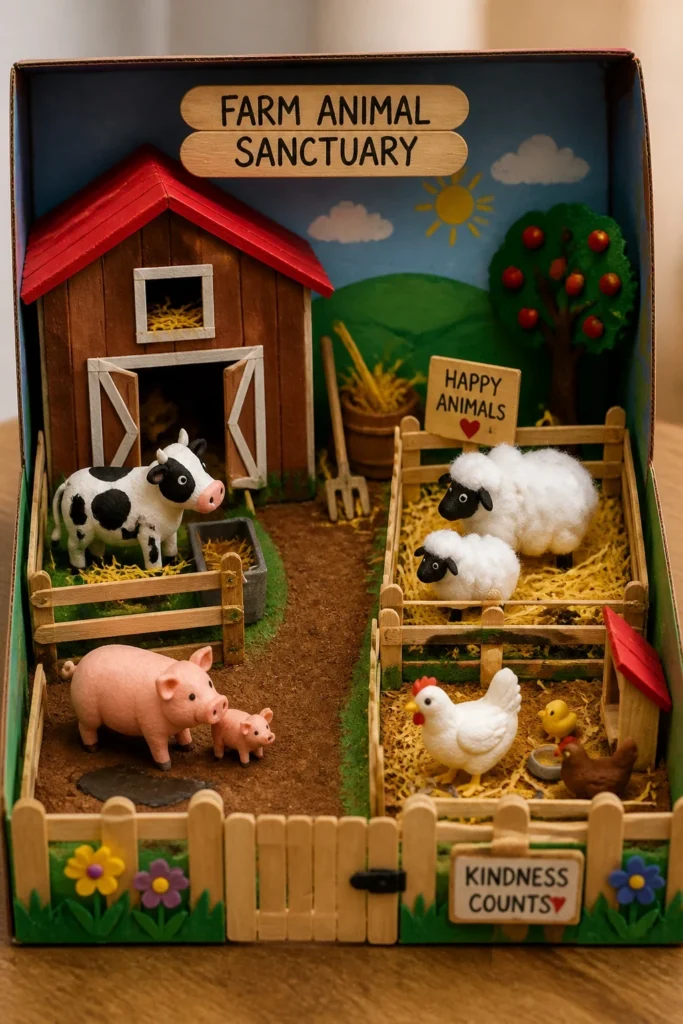
Pro Tip: A small piece of red felt or construction paper for a barn roof immediately signals “farm” and adds a pop of color.
11. Backyard Garden Ecosystem
- Best For: All ages, local insects and small creatures
- Vibe: Familiar, lively, miniature world
- Why it works: Teaches about local biodiversity and is easy to find materials for.
Green construction paper for grass, brown for soil. Use small pebbles for a path and cut out paper flowers in various colors. Think ladybugs (red pom-poms with black dots!), butterflies (pipe cleaner bodies, paper wings!), and maybe a friendly garden gnome or two.
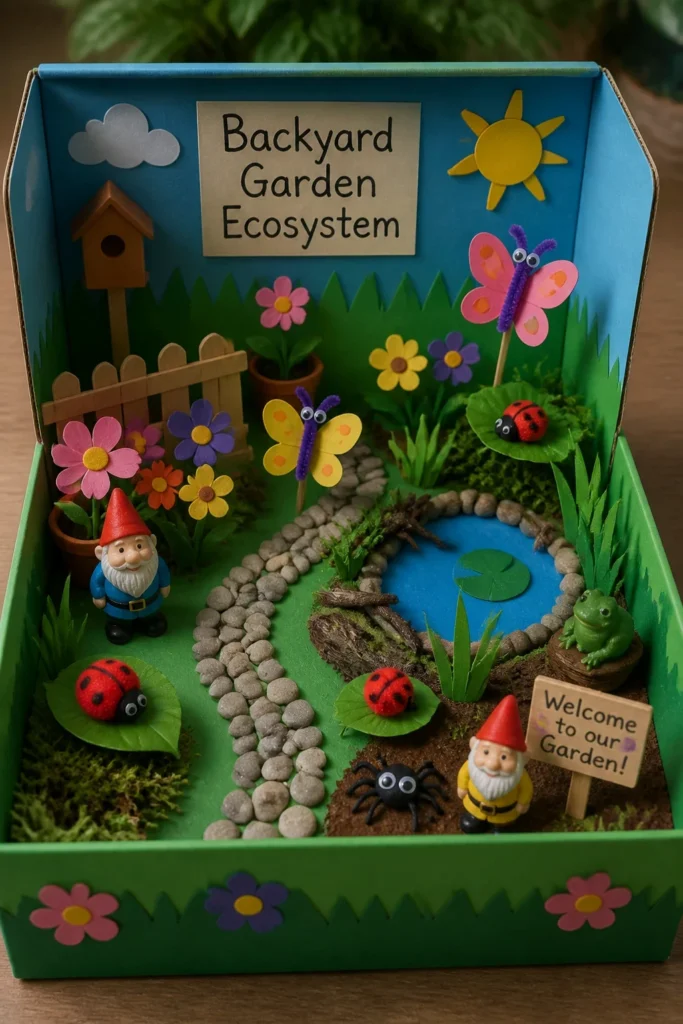
Pro Tip: Add a small “pond” using blue construction paper and a few small leaves or twigs around the edge. Every garden needs a water feature.
Our Top Recommended Finds
- Assorted Construction Paper Pack: You’ll need every color under the sun for leaves, water, sand, and animal cut-outs. It’s the backbone of any good diorama.
- Multi-Pack Googly Eyes: Because every creature, no matter how small or scary, looks instantly adorable with googly eyes.
- Craft Glue Sticks & Liquid White Glue: You’ll want both. Sticks for paper, liquid for heavier items like pebbles or cotton balls. Trust us, you don’t want things falling apart mid-presentation.
Which of these will you try first?
See? That shoe box is practically begging to be transformed into a mini-ecosystem masterpiece. You’ve got this, and your kid’s project will totally knock their teacher’s socks off.
Now, go forth and craft! Let us know which habitat you tackle in the comments below.