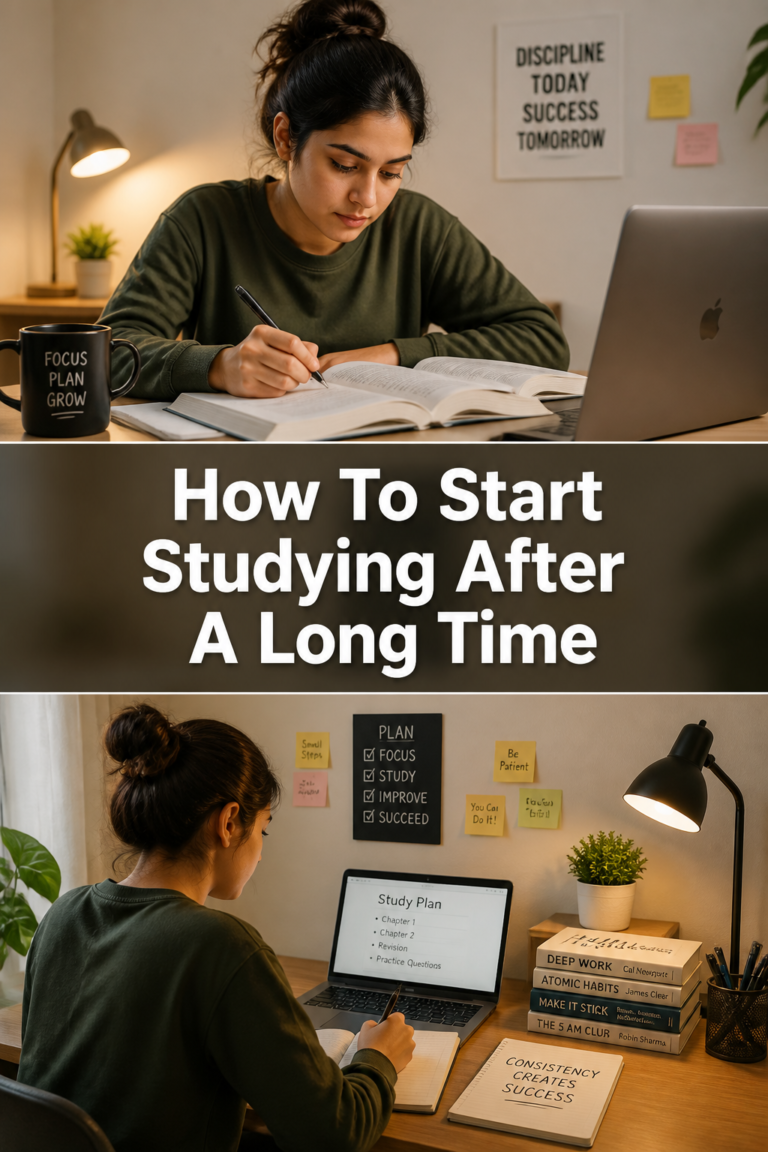
☕ How To Pull An All Nighter Studying
I remember sitting in a silent library at 3:15 AM, staring at a mountain of organic chemistry notes that felt like a foreign language.
The panic was real, but I survived that night and aced the exam by following a specific, calculated system for staying awake and focused.
This guide is the result of those long nights, designed to help you navigate the biological hurdles of sleep deprivation while actually retaining information.

Quick Overview
This guide provides a comprehensive strategy for staying productive through the night and surviving the following day.
- Time needed: 12 to 14 hours (from sunset to post-exam recovery)
- Difficulty: Advanced (requires high mental discipline and physical stamina)
- What you’ll need: High-protein snacks, strategic caffeine, bright lighting, cold water, and a structured study plan.
Step-by-Step Instructions
Step 1: Optimize Your Environment
Flood your workspace with the brightest light possible to trick your brain into thinking it is still daytime.
Melatonin, the hormone that makes you sleepy, is suppressed by light, especially the blue light emitted by screens and LED bulbs.
Keep the room temperature slightly cool, around 65 to 68 degrees Fahrenheit, to prevent your body from feeling too cozy and drifting off.
Pro Tip: Avoid studying on your bed or a soft couch at all costs, as your brain associates these areas with rest and will trigger sleep signals.
Step 2: Fuel Your Body Strategically
Eat small, frequent meals rich in protein and fiber rather than one large, heavy dinner that will make you lethargic.
Foods like almonds, Greek yogurt, or apple slices with peanut butter provide a steady stream of energy without the sugar crash.
Avoid heavy carbohydrates like pasta or pizza, which can increase levels of tryptophan and make you feel incredibly drowsy within an hour.
Step 3: Master the Caffeine Curve
Micro-dose your caffeine by sipping small amounts of coffee or tea throughout the night instead of chugging a massive energy drink at the start.
A sudden spike in caffeine leads to a massive crash later, usually right when you need to be walking into your exam room.
Stop all caffeine intake at least four hours before you plan to finally sleep the next day to ensure your recovery rest is actually effective.
Pro Tip: Drink a full glass of water for every cup of coffee to prevent the dehydration-induced headaches that often plague all-nighters.
Step 4: Use Active Study Techniques
Switch from passive reading to active recall methods like flashcards or practice problems to keep your brain engaged and alert.
Reading a textbook in the middle of the night is a recipe for falling asleep mid-sentence because it requires very little mental “output.”
Teach the concepts out loud to an imaginary student or a stuffed animal to force your brain to process and organize the information deeply.
Step 5: Manage the Circadian Dip
Prepare for the “wall” that usually hits between 3:00 AM and 5:00 AM, when your body temperature drops and your drive to sleep is at its peak.
This is the most dangerous time for an all-nighter, and many students accidentally fall asleep “just for a second” and wake up hours later.
Engage in physical activity during this window, such as doing twenty jumping jacks or taking a very cold shower to shock your system back into alertness.
Step 6: Utilize Strategic Power Naps
Set an alarm for exactly 20 minutes if you feel your cognitive abilities failing and your eyes crossing.
A 20-minute nap allows for a quick refresh of the nervous system without entering the deep sleep stages that cause “sleep inertia” upon waking.
Place your alarm across the room so you are forced to physically stand up and move to turn it off, preventing you from oversleeping.
Pro Tip: Try a “caffeine nap” by drinking a cup of coffee right before your 20-minute timer; the caffeine will kick in just as you are waking up.
Step 7: Implement the 90-Minute Rule
Work in blocks of 90 minutes followed by a 10-minute break to align with your brain’s natural ultradian rhythms.
During your breaks, leave your study area entirely and move to a different room or step outside for fresh air.
Avoid checking social media during these breaks, as the dopamine loop can easily turn a 10-minute rest into an hour of wasted time.
Step 8: Hydrate Constantly
Carry a large water bottle with you and aim to finish it every two hours to keep your blood volume high and your mind sharp.
Dehydration mimics the symptoms of fatigue, making it much harder to concentrate on complex tasks or memorize new facts.
Splash ice-cold water on your face every time you go to the bathroom to provide a sensory “reset” for your nervous system.
Step 9: Prepare for the Morning Transition
Eat a breakfast containing healthy fats and protein, like eggs or avocado, once the sun comes up to signal to your body that the “day” has begun.
The arrival of natural sunlight will provide a temporary second wind, but do not let this trick you into thinking you are fully recovered.
Review your most important summary notes one last time during this period, as your short-term memory is likely fragile after no sleep.
Common Mistakes to Avoid
Chugging Energy Drinks Early
Many students make the mistake of drinking high-sugar energy drinks at 9:00 PM. This causes a massive insulin spike followed by a blood sugar crash that leaves you exhausted by midnight.
The correct approach is to wait until you actually feel the first wave of tiredness before introducing moderate amounts of caffeine.
Studying in a Dimly Lit Room
Low light levels signal your pineal gland to produce melatonin, which makes staying awake a constant physical struggle. You end up fighting your biology instead of working with it.
Keep every light in the room turned on, and if possible, use a desk lamp pointed toward your face to maximize light exposure.
Relying on Passive Review
Reading and highlighting notes feels like work, but it is the least effective way to study when you are tired. Your brain will simply “glaze over” the text without absorbing anything.
Force yourself to write, draw diagrams, or solve problems to keep your heart rate up and your brain active.
Missing the Recovery Window
Staying awake all night is only half the battle; the other half is staying awake until a reasonable hour the next day. If you sleep at 10:00 AM, you will ruin your sleep cycle for the entire week.
Try to stay awake until at least 7:00 PM the following evening to reset your internal clock properly.
Troubleshooting
Extreme Brain Fog
If you find yourself reading the same sentence five times without understanding it, your brain has reached a temporary saturation point. Stop what you are doing immediately.
Step outside for five minutes of cold air or do a high-intensity exercise for sixty seconds to force oxygenated blood to your brain.
Burning or Itchy Eyes
This is usually caused by a decreased blink rate while staring at screens or books in a dry environment. It makes it physically painful to keep working.
Use lubricating eye drops and follow the 20-20-20 rule: every 20 minutes, look at something 20 feet away for 20 seconds to rest your eye muscles.
Nausea and Stomach Cramps
Sleep deprivation often disrupts the digestive system, leading to a “sour” stomach or mild nausea. This is exacerbated by too much coffee on an empty stomach.
Eat a few plain crackers or some ginger tea to settle your stomach, and switch from coffee to green tea which is less acidic.
Key Takeaways
- Environment is everything: Use bright lights and cool temperatures to keep your body in an “alert” state.
- Protein over sugar: Avoid the sugar crash by choosing snacks that provide long-lasting, stable energy.
- Active recall: Keep your brain engaged by testing yourself rather than just reading notes.
- The 4 AM wall: Anticipate the toughest part of the night and use physical movement to push through it.
- Micro-nap wisely: A 20-minute nap can save your night, but a 2-hour nap will end it.
- Hydration is fuel: Drink plenty of water to prevent headaches and maintain cognitive function.
Frequently Asked Questions
Is it better to get two hours of sleep or no sleep at all?
Generally, getting 90 to 120 minutes of sleep is better than zero, as it allows you to complete one full sleep cycle. However, waking up mid-cycle can lead to intense grogginess, so ensure you have a loud alarm and immediate access to light when you wake up.
How can I stay awake during the actual exam?
Keep your water intake high and try to sit in a position with good posture, as slouching can trigger sleepiness. If you feel yourself drifting off, take a few deep, rapid breaths to increase your oxygen levels and heart rate.
Will an all-nighter ruin my memory of what I studied?
Sleep is when the brain consolidates memories, so an all-nighter is not ideal for long-term retention. To combat this, try to get at least a few hours of sleep the night before your all-nighter so your brain isn’t already starting from a deficit.
How many all-nighters can I safely do in a row?
You should never attempt more than one all-nighter in a single week. The cognitive decline after 48 hours without sleep is similar to being legally intoxicated, making it impossible to study effectively or perform well on tests.
Our Top Recommended Finds
- High-Lumen Desk Lamp: A lamp that offers “daylight” or “cool white” settings to help suppress melatonin production during the late hours.
- Noise-Canceling Headphones: These are essential for blocking out the distracting silence of the night or the early morning sounds of the world waking up.
- Insulated Water Bottle: Keeping your water ice-cold provides a refreshing shock to your system every time you take a sip.
Master Your Morning Recovery
Once your exam is over, the temptation to collapse into bed immediately will be overwhelming.
Resist this urge if you want to avoid a week of insomnia and jet-lag symptoms.
Try to stay awake until the early evening, eat a nutritious dinner, and then allow yourself a full ten hours of restorative sleep.
Now that you have the blueprint for a successful all-nighter, clear your desk, grab your water, and get to work.